
The Face: Tailored Aesthetic Medicine to Prevent, Correct, and Enhance
Introduction
The face is at the centre of expression, elegance, and self-confidence. Over time, genetics, sun exposure, hormonal variations, and skin quality can result in various imperfections such as: wrinkles, skin laxity, pigmentation spots, diffused redness, dilated pores, acne scars, and loss of radiance.
In the clinic, each facial treatment is based on a personalised medical approach. The aim is not to transform, but to enhance with accuracy, respecting the identity of the face, its balance, and its naturalness. The treatments offered combine, according to needs, injections, lasers, peels, radiofrequency, skin care, and skin regeneration protocols.
Each indication requires a precise assessment during an initial consultation. This evaluation allows us to analyse skin quality, the dynamics of ageing, potential contraindications, and the most appropriate strategy. In facial aesthetic medicine, there is no universal solution: there is primarily a relevant treatment for a specific face at a specific time.
Main Facial Imperfections and Their Aesthetic Treatments
Wrinkles and Loss of Skin Support
Facial ageing is often reflected by the appearance of wrinkles, fine lines, volume sagging, or a gradual loss of tissue firmness. These signs can affect the forehead, mouth area, nasolabial folds, marionette lines, cheeks, neck, or décolleté.
Depending on the indications, treatments may involve hyaluronic acid injections, tissue stimulators, or other collagen-stimulating techniques. The aim is to achieve a harmonious, natural result that complements the facial morphology without freezing expressions.
In the clinic, treatment is always preceded by a thorough medical examination to assess actual needs, skin quality, and any potential contraindications. Well-considered care aims not only to correct but also to preserve the quality of the face over time.
We will detail the current treatments zone by zone, alongside all injection techniques.
Focus: Hyaluronic Acid, the Molecule of Happiness :)
Focus: Tissue Stimulators
Focus: Injection Techniques
If you wish to know the treatments for each area, simply click on the corresponding zone:


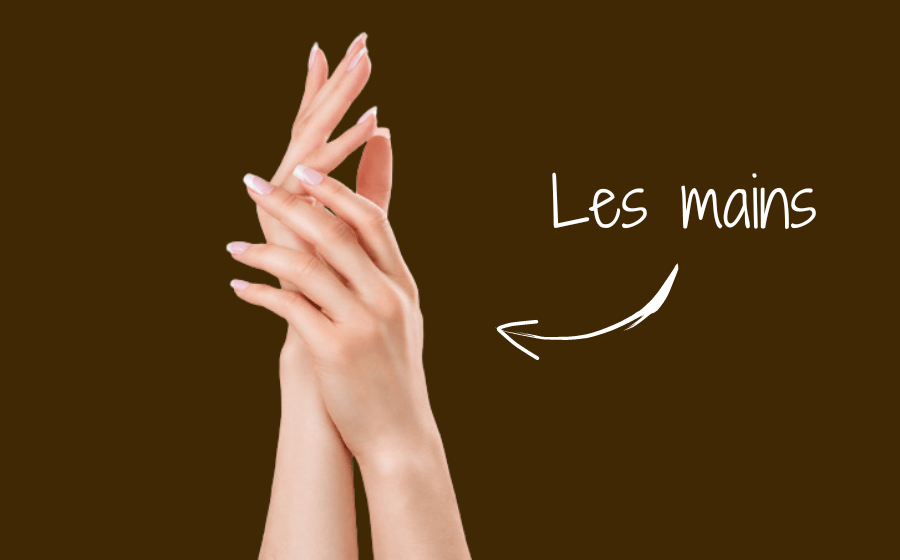
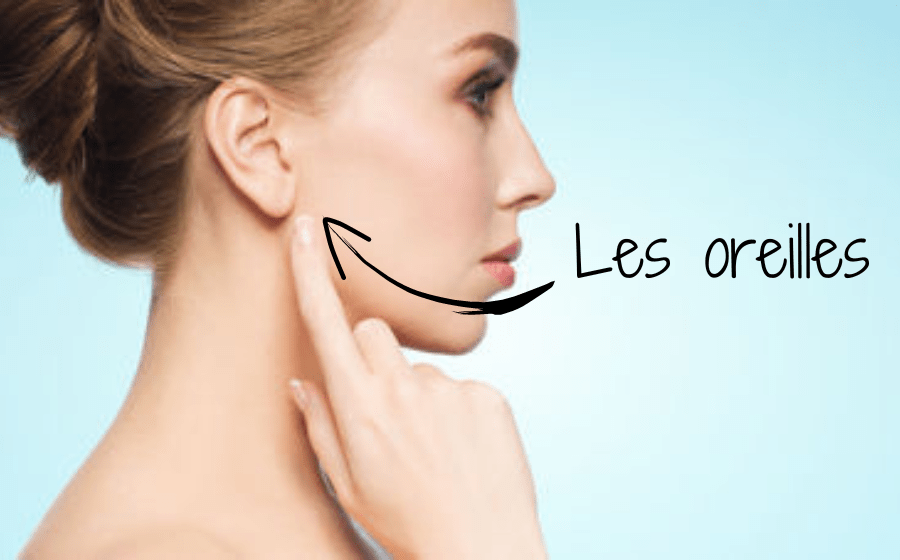

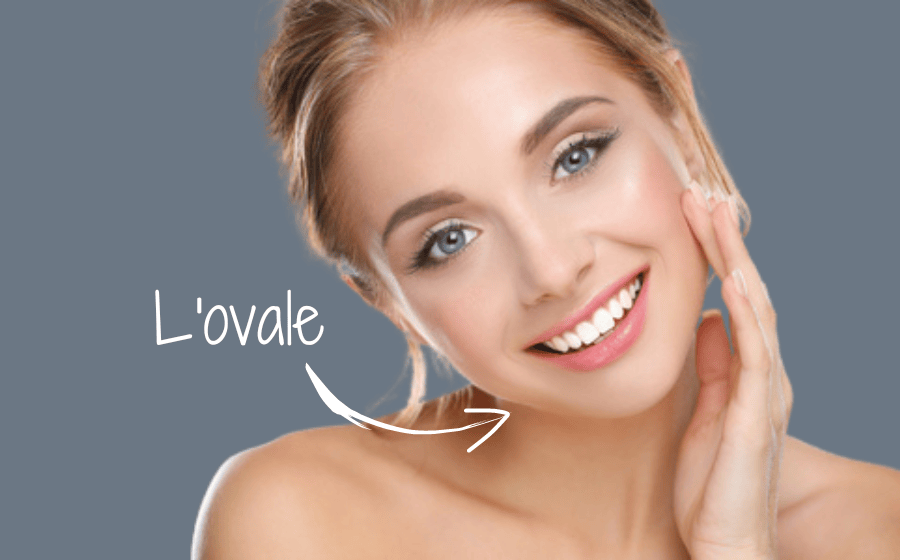
For all these areas, an initial assessment is conducted to eliminate any contraindications. All autoimmune diseases contraindicate injections.
ACNE SCARS - SKIN IMPERFECTIONS
Acne Scars and Texture Irregularities
Acne scars often compromise the smoothness of the skin texture, leading to a marked appearance even after the acne has long subsided. Their management requires a precise strategy, depending on the depth of the scars, their age, and the skin's regenerative capacity.
Among the available solutions, certain fractional lasers such as the Erbium Yag laser as well as fractional radiofrequency treatments like Morpheus stimulate skin remodeling and collagen production. These treatments aim to gradually improve skin texture, smooth out irregularities, and restore a more uniform appearance to the face.
The number of sessions varies depending on the cases. A preliminary consultation is essential to establish a realistic, gradual, and personalised protocol.

The Erbium Yag laser is a "ablative" laser, meaning that we aim to exfoliate the skin and renew its layers through this method. For technical details, you can refer to this link.
The Morpheus works using micro-needles (micro-needling) that stimulate collagen production and thus improve the skin's appearance. For technical details, please refer to this link.
What I am interested in is explaining the indications and aftercare you should be aware of.
Any scar can respond to these two techniques, but it is crucial to understand that the result largely depends on both the technique used and the practitioner performing the treatment, but most importantly (very importantly) on your skin's ability to heal.
The aftereffects will include swelling lasting from 2 hours to 3 days for the Morpheus and one week of redness for the Erbium Yag Juliet laser.
The number of sessions also depends on the severity of the scars.
The assessment is vital to present these techniques and alert you to the results we may achieve.

DILATED PORES
Dilated Pores and Lack of Skin Clarity
Dilated pores are often linked to genetic predisposition (which is beyond our control!), thicker skin, excessive sebum production, or a deterioration in skin quality. They can create an uneven, less luminous, and less smooth appearance on the face.
Depending on the situation, several approaches may be considered: peeling, laser, medical-aesthetic treatments, hydradermabrasion, or skin resurfacing treatments. The aim is to refine skin texture, improve surface quality, and restore a fresher, clearer, and more uniform appearance to the face.
The Erbium Yag laser, the perfect skin, hydrafacial, the Jet Peel or peels will be the preferred techniques.
The principle of pore treatment is to exfoliate (abrade) the skin to renew it.
Lasers generally require 1 or 2 sessions per year but with more significant aftereffects than gentle methods.
The perfect skin, the Jet Peel and hydrafacial are very pleasant and effective. It is recommended to schedule 5 sessions, with one session every 2 weeks, followed by a maintenance session every 1 to 2 months.
The peels, a winter treatment, aim to induce a tightening of the pores through the application of trichloroacetic acid.
For the Erbium Yag Juliet laser, expect 1 to 2 sessions per year for optimal results.
Regular treatment is often the key to maintaining results sustainably.
DEEP PIGMENTARY SPOTS
Certain hyperpigmentations, particularly melasma, require careful, progressive, and expert management.
They may be exacerbated by:
- hormonal fluctuations
- pregnancy
- sun exposure
- certain skin predispositions.
Treatment may involve depigmenting peels, skin preparation protocols, or specific laser technologies. The goal is to gradually lighten the pigmented areas while minimising the risk of pigment rebound.
The Mela Peel from Dermaceutic® will be suitable. Expect 1, 2, or 3 sessions (the reaction of your skin is unpredictable).
It is important to know in advance that some spots are stubborn and may be difficult to eliminate. I would say this is the procedure where we can least predict the results.
We now have a new laser in the practice, called Aerolase, which represents a significant advancement in the management of melasma without resorting to peeling. I have a slight preference for Aerolase laser over peeling.
The management of melasma requires a genuine medical strategy: precise diagnosis, rigorous selection of indications, strict sun protection, and ongoing follow-up.
SUPERFICIAL SPOTS
Solar lentigines and other superficial pigmented spots commonly occur over time with cumulative sun exposure. They can dull the complexion and visually age the face.
When well-indicated, certain depigmenting lasers can precisely target these lesions. The treatment aims to achieve a more even and luminous complexion, with visible improvements in overall skin quality.
A prior assessment remains essential to distinguish superficial spots from more complex pigmentations and to propose the correct technique.

COUPEROSE OR ERYTHROSE
No, it is not necessarily caused by your alcohol consumption, but rather by vascular fragility. Pulsed dye laser Vbeam or IPL will effectively reduce them.
Facial redness can present diffusely or as small visible vessels. They indicate vascular fragility and require an approach tailored to their exact nature.
Vascular lasers are now a reference option for reducing redness and improving skin tone uniformity. The protocol depends on the type of involvement, its intensity, and the skin's reactivity.
The objective is to achieve a progressive, consistent, and medically framed improvement, taking into account the specific sensitivity of each skin type.
Several important points to note:
| Erythrose | Couperose | |
| Definition | Diffuse redness due to vasodilation of small capillaries | Well-defined and visible vessels |
| Treatment | Purpuric mode: we must destroy these small vessels as it is impossible to coagulate the blood inside | Sclerosing mode: we occlude the vessels by coagulating the blood inside |
| After-effects | Significant bruising (but manageable) for 10 days. We offer LED sessions to accelerate their disappearance | Slight redness +/- swelling |
| Number of sessions | 1 to 2 in the first year and maintenance if necessary (impossible to know in advance) | 1 to 2 in the first year and maintenance if necessary (impossible to know in advance) |
A comprehensive facial approach
Facial aesthetic medicine is not limited to treating a single wrinkle or spot. A harmonious face relies on several parameters: skin quality, volume, skin tension, luminosity, redness, texture, balance of proportions, and natural expressions.
That is why the approach offered at the practice is based on a holistic vision. In some cases, a reasoned combination of several techniques can achieve a more subtle, consistent, and durable result than a standalone treatment.
Why a personalised medical assessment is essential
Before any facial treatment, a consultation allows for:
- a precise diagnosis,
- distinguishing superficial indications from deeper issues,
- assessing medical history and contraindications,
- defining a realistic treatment plan,
- clearly explaining expected benefits, limitations, after-effects, and the probable number of sessions.
This step is essential to ensure a serious, secure, and tailored approach to your skin.
Natural, gradual, and custom results
The aim of facial aesthetic treatment is to refresh, correct, or enhance without distorting. The desired results are natural, elegant, and in harmony with the patient's identity.
Depending on the indications, several sessions may be necessary. Some results are visible quickly, while others develop progressively through skin stimulation or tissue remodeling.
Well-conducted aesthetic medicine always adheres to three principles: precision, moderation, and consistency.
FAQ – Facial aesthetic treatments
What is the best treatment for the face?
There is no single best treatment, but a treatment tailored to a specific indication: wrinkles, spots, redness, enlarged pores, acne scars, sagging, or loss of radiance.
At what age can one consider facial aesthetic treatment?
It depends more on need than age. Some patients consult early for prevention, while others come later to correct already established signs.
Are the results immediate?
Some treatments offer rapid improvement, while others require several weeks or multiple sessions to reveal their full effect.
How many sessions should one expect?
The number of sessions varies depending on the issue being treated, the condition of the skin, and the technique used. A personalised protocol is established during the consultation.
Do facial treatments replace surgery?
No. Aesthetic medicine can improve many indications without surgery, but it does not always replace a surgical procedure when sagging is very advanced.
Are the results natural?
Yes, when the indication is well-defined and the management is properly executed, the goal is always to achieve a natural, harmonious, and unaltered result.
Schedule an appointment for a facial assessment
Every face deserves a precise analysis and a customised solution.
A personalised medical diagnosis allows us to determine the treatments most suited to your expectations, your skin, and the natural balance of your face.
Make an appointment on Doctolib
Or contact the practice for an initial discussion

Isabelle V.
Fati R.
hb23
Souad A.
Mrs T.
hakima s.

Our technical platform


Tattoo Removal


The Décolletage

The forehead

The abdomen
Regain a firmer tummy after pregnancy: our personalised solutions
You have a taste for indulgence, your belly has been marked by a…

